
FINDING THE RIGHT DOG FOR YOU

While getting a dog is always a joyful prospect that can fill you and yours with seemingly endless excitement, there are things that must be considered before making the final decision regarding your potential new canine family member.
Let’s look at some of the more specific questions you might want to ask before taking the plunge:
Is collie a good fit for you?
This question deserves thorough contemplation, indeed.
Ask yourself, why do I want a collie? Do I just want a companion to hang out with at home, or am I looking for someone with whom I could go hiking or take long walks? Am I looking for a playmate for an existing dog? Or do I plan on doing agility with my dog?
Your answers to these questions will help to decide the energy level of the dog that will be the right fit.
Collies are extremely loving and loyal. However, they aren’t a good choice for people who don’t have time to give them the exercise and mental stimulation they require.
What age of dog would best suit your family?
Are you looking for a puppy, an adult dog, or a senior dog? Each has its advantages and disadvantages.
One thing to note: there are a lot of dogs in shelters and rescues who were never trained or who were relinquished because of their bad manners or undesired behaviours. With some of these dogs, you may have to start from scratch with their training.
Let’s look at some of the points to remember regarding dogs of different ages:
Puppy (under 1 year of age)
It’s a great experience raising your dog from puppyhood;
Potty training takes time and patience. Depending on the age of the puppy, it could take a few days up to a few months;
At the very least, you will need to train the puppy basic obedience;
Puppies need to be let outside a lot! (remember the golden rule of potty training: puppies can hold their bladder for 1 hour per 1 month of their age);
Puppies nip, mouth, and chew your belongings;
A young puppy usually wakes up at least once during the night;
Rescue puppy parents are usually unknown, meaning you often don’t know how big they will become.
Young adult dog (1-6 years old)
Sometimes, they are already potty and obedience trained;
They are a great option if you still want a lot of energy in your dog but want to bypass the puppy stage;
The size and personality of the dog will be more predictable.
Senior dog (7+ years old)
Sometimes already potty- and obedience trained;
Older dogs require less exercise and are usually much calmer.
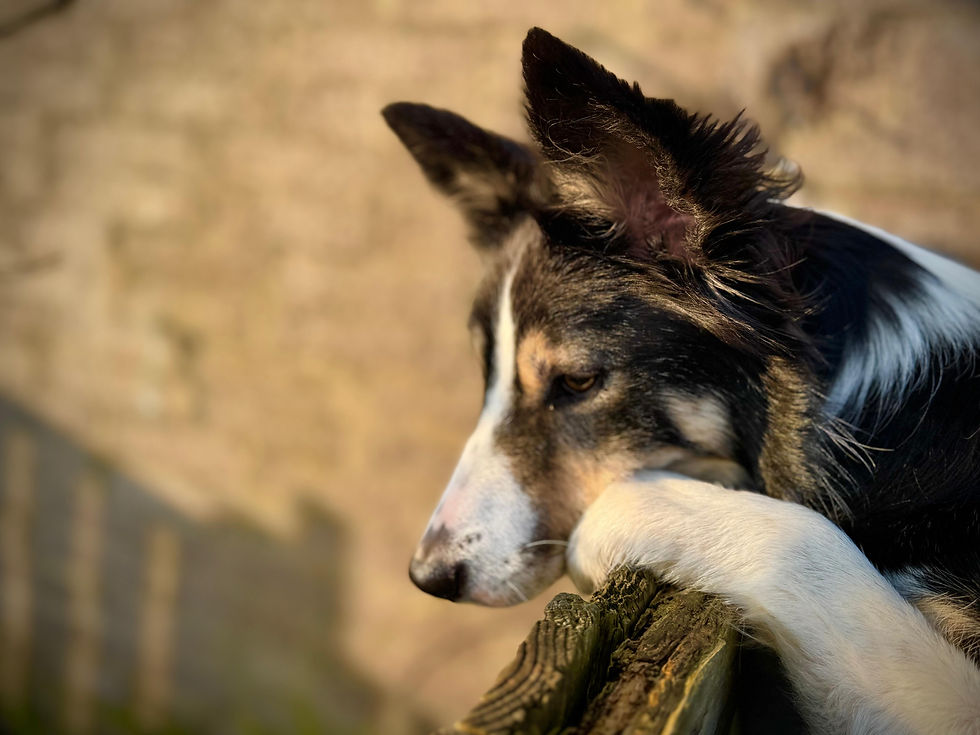
Does it matter if the dog sheds? Or has long or short hair?
This may seem like a purely cosmetic preference, but the maintenance that your dog’s coat will require deserves consideration.
Collies, for example, require regular grooming, regardless of their coat type. Collies have a double coat: an undercoat that sheds twice a year and a topcoat which tends to grow slower. Short-haired collies may only need a bath every few months. But long-haired collies need to be brushed and trimmed regularly.
Think about shedding, bathing, brushing, and trimming. Are you willing to do all this work or would you hire a groomer?
Matching the dog’s energy level with your own
Think about how you would describe yourself. Do you consider yourself a strong leader or do you have a softer personality?
Now consider the potential temperament, exercise needs, and working drive of your dog. What is the energy level that would match yours? What will fit in your lifestyle today, in 5 years, and 10 years?
Maybe adopting an older dog, one that is past that high-energy part of his life, will better fit your lifestyle?
The most important thing is never to opt for a dog with higher energy than you can reasonably manage, because that can lead to a bored dog, which can lead to behavioural issues.
*Puppies can often reflect your energy, so if you are calm, they might mirror that, but if you have a more intense personality, your puppy might just copy that.

Would you adopt a dog with special needs?
There are dogs available for adoption that may have special needs. Examples of this would be dogs that are blind, deaf, have seizures, or other chronic illnesses.
These dogs need a home, too, so if you would be willing to care for a special needs dog, that’s wonderful! It takes a special person to adopt these dogs.
There are also times when you adopt a dog that everyone thinks is healthy, but you find out months later that he has a condition that he wasn’t tested for. This can be a part of owning a dog, are you prepared to care for a dog that is sick?
Before adopting any dog, it’s important to do the research and find out as much as possible about their breed, personality, habits etc.
*Some special needs to consider are allergies, separation anxiety, special diet, not housebroken, behavioural issues, amputee, heartworm positive, hip dysplasia, submissive urination, arthritis, heart defects, deafness, blindness, diabetes, seizures/epilepsy, thyroid.